Night Fishing on Galveston Island: Why the Fishing Changes After Dark
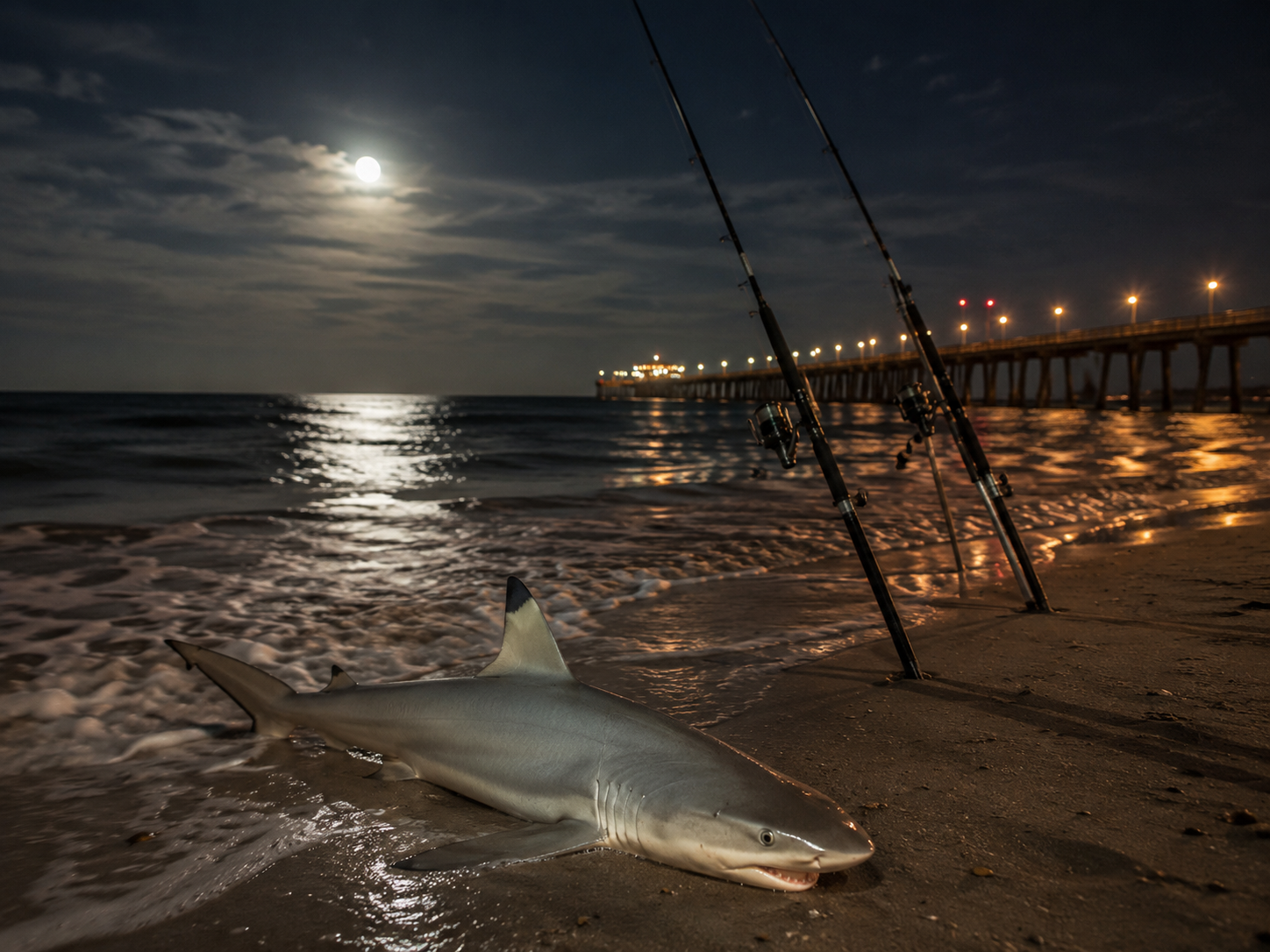
Galveston does not stop fishing when the sun goes down.
In some places, that is when things get considerably more interesting.
Pier lights hit the water. Tiny baitfish gather beneath them. Shrimp move through the current. Predators begin working the edges.
Meanwhile, the humans settle into folding chairs, drink questionable amounts of caffeine, and begin explaining why tonight absolutely feels like a big-fish night.
Sometimes they are even right.
Why Lights Matter
Artificial lights over saltwater create miniature ecosystems.
Plankton and small organisms are attracted to illuminated water. Small baitfish and shrimp gather around them. Larger predators arrive because the buffet has conveniently installed lighting.
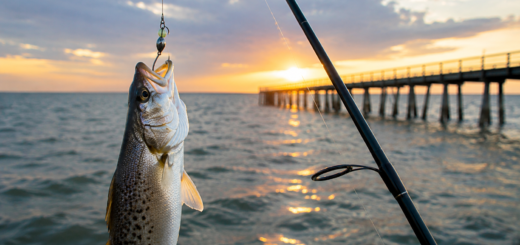
Speckled trout are particularly well known for feeding around illuminated Gulf Coast water.
Texas Parks and Wildlife has specifically recommended fishing around Gulf pier lights as a productive warm-season tactic for spotted seatrout.
But the brightest part of the light is not always the best place to cast.
Fish the Edge of the Light
Look where bright water becomes dark.
Predators often use that boundary to ambush prey leaving or entering the illuminated area.
Throwing directly into the center may work.
Casting across the edge and retrieving through the transition can work better.
Watch the water before casting.
If bait repeatedly scatters from one particular side of the light, something is probably causing it.
Fish have a remarkable tendency to announce where they are while anglers stare at their phones.
Match the Tiny Bait
Night fishing makes bait size particularly important.
Sometimes the water beneath a light appears alive with tiny glass minnows, shrimp, or juvenile baitfish.
Predators can become focused on that size.
Throwing a lure four times larger through them may produce nothing.
Use small soft plastics, shrimp imitations, small plugs, or natural bait close to whatever is already swimming beneath the lights.
Live Shrimp at Night
Live shrimp remains one of the simplest Galveston night-fishing choices.
Fish it beneath a popping cork around illuminated water or free-line it where current allows.
A lively shrimp already supplies movement, vibration, and scent.
That allows you to concentrate on placing it properly instead of performing an interpretive dance with your fishing rod.
Night Fishing From a Pier
Piers become particularly useful after dark because they combine structure with lighting.
Bait gathers around pilings.
Predators patrol current breaks.
Different sections of the pier provide different depths.
Speckled trout may feed around lights while redfish, black drum, sharks, gafftop, and other species move through darker water nearby.
Do not assume everything worth catching lives directly under a light.
Use some rods to target illuminated water and others to fish deeper or darker areas.
The Beach After Dark
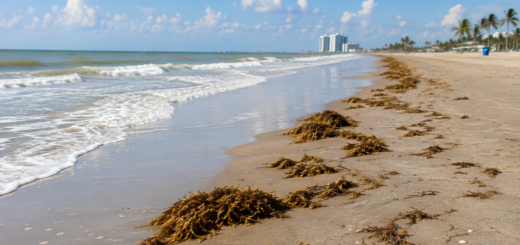
Surf fishing changes at night too.
Large predators can move surprisingly close to shore.
Redfish, sharks, whiting, gafftop, and other fish travel through beach guts.
Fresh cut bait becomes particularly useful because scent can lead fish toward it even when visibility is limited.
Know where your lines are.
Know where other people are.
And bring actual lighting.
The beach becomes impressively dark once you discover that the flashlight on your phone was not designed to support a six-hour fishing expedition.
Bring Better Gear Than You Think You Need
Night fishing introduces logistical problems that daylight politely hides.
Bring a headlamp.
Bring backup batteries.
Bring pliers.
Bring a net.
Keep hooks organized.
Know where your knife is.
Secure loose equipment.
Nothing improves an evening like dropping the only pair of pliers through a pier railing at 2:13 in the morning.
Bugs Exist
Galveston mosquitoes maintain a strong interest in visiting fishermen.
Wind often helps.
Still nights do not.
Bring insect repellent.
That is the entire sophisticated strategy.
Watch the Weather
The Gulf can change quickly.
Lightning is not something to negotiate with from the end of a fishing pier while holding a graphite rod.
Check forecasts before heading out and continue watching conditions.
Beach warning flags also provide information about surf, currents, marine life, and environmental conditions. Galveston uses the national beach flag system, including yellow for caution, red for unusually hazardous surf or current, and purple when potentially hazardous marine life is present.
What Can You Catch at Night?
Depending on season and conditions, nighttime catches around Galveston can include:
Speckled trout.
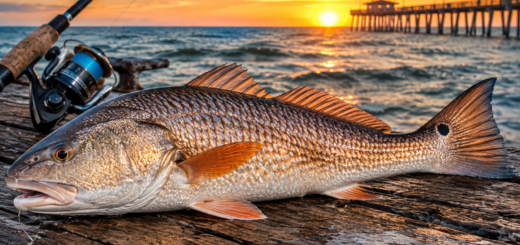
Redfish.
Black drum.
Whiting.
Croaker.
Gafftopsail catfish.
Hardhead catfish, because apparently somebody invited them.
Sharks.
Spanish mackerel during appropriate periods.
And plenty of other Gulf species.
That uncertainty is precisely why people stay out there until sunrise.
Give Galveston After Dark a Chance
Night fishing slows the island down.
The beach empties.
Traffic thins.
The lights over the water become easier to watch.
And instead of constantly changing locations, anglers often start noticing what the water is actually doing.
Watch the bait.
Watch the current.
Watch the edges of the light.
Then put something edible in the middle of the situation.
Saltwater fishing does not need to be more complicated than the fish make it.
Humans provide plenty of additional complexity without assistance.